
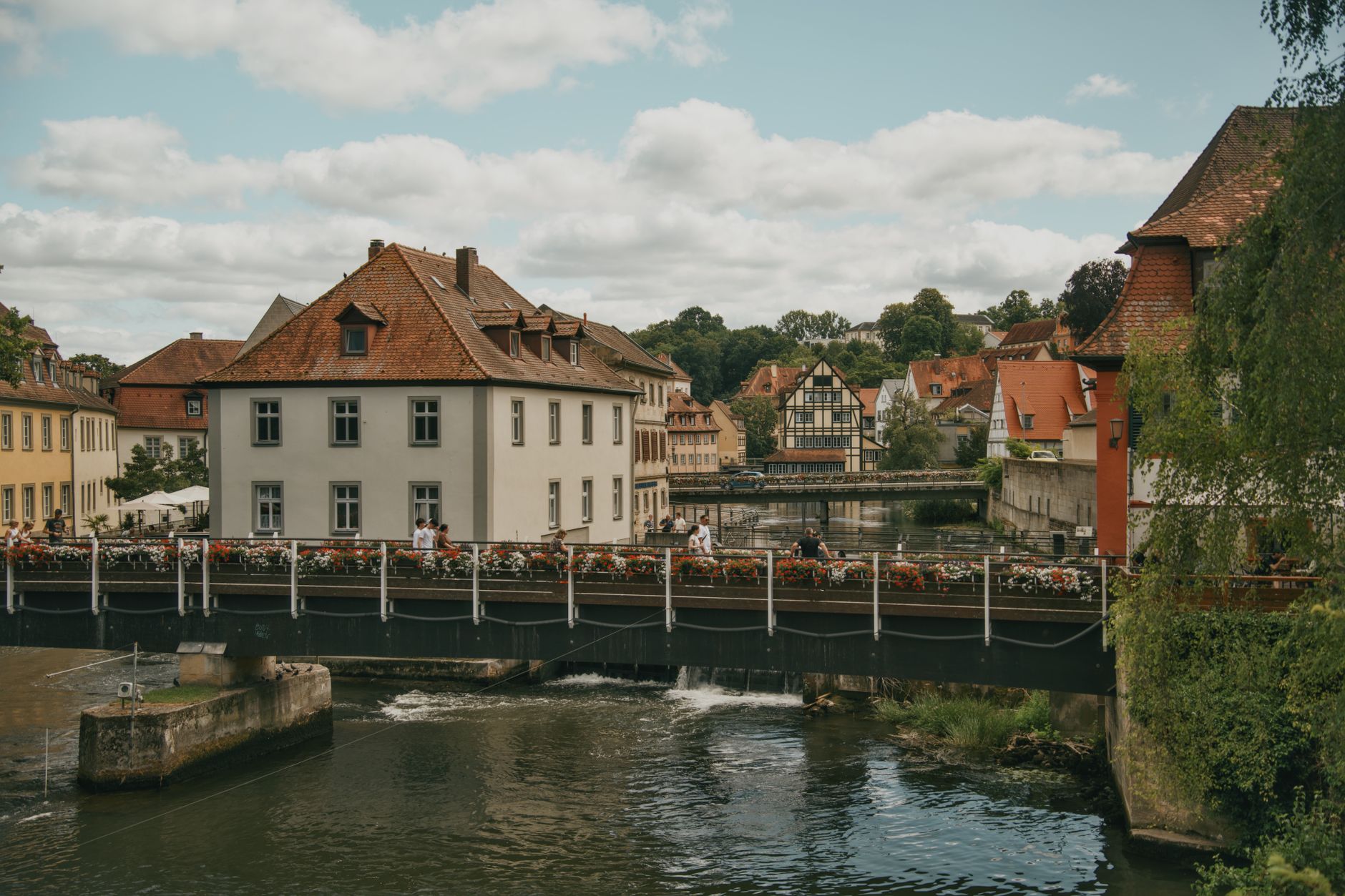
Germany is a country rich in culture, history, and natural beauty, making it a sought-after destination for many travelers. When deciding when to visit, various factors like weather, festivals, and peak tourist seasons come into play. Understanding these aspects will help you choose the ideal time for your trip to Germany.
This guide will cover everything you need to know about the best times to visit Germany, including seasonal highlights, activities, and travel tips to enhance your experience.
When Is The Best Time To Go To Germany?
The best time to go to Germany largely depends on your personal preferences and what you want to experience. Generally, late spring to early autumn (May to September) is considered ideal for pleasant weather, festival season, and outdoor activities. However, winter (December to February) offers a different charm with Christmas markets and winter sports.
Seasonal Breakdown of Germany
To help you navigate through the different seasons in Germany, here’s a detailed overview:
Spring (March to May)
Spring in Germany is beautiful, with blooming flowers and mild temperatures. This season is ideal for tourists who prefer fewer crowds and perfect sightseeing weather.
- Weather: Average temperatures range from 5°C to 20°C (41°F to 68°F).
- Key Attractions: The Stuttgart Spring Festival and the cherry blossoms in Bonn are highlights.
- Advantages: Fewer tourists compared to summer and the beauty of nature waking up from winter.
Summer (June to August)
Summer is peak tourist season in Germany, offering vibrant festivals, outdoor events, and longer daylight hours.
- Weather: Average temperatures range from 15°C to 30°C (59°F to 86°F).
- Key Attractions: Events like the Munich Summer Tollwood Festival and the Berlin Festival of Lights.
- Advantages: Ideal for outdoor activities, including hiking and festivals.
- Disadvantages: Crowded tourist attractions and higher accommodation prices.
Autumn (September to November)
Autumn is a fantastic time to witness the changing colors of the leaves and partake in traditional harvest festivals.
- Weather: Average temperatures range from 5°C to 20°C (41°F to 68°F).
- Key Attractions: Oktoberfest in Munich and wine festivals in regions like the Moselle Valley.
- Advantages: Pleasant weather and fewer crowds than in summer.
Winter (December to February)
Winter transforms Germany into a land of snow and festive cheer, with holiday markets and cozy atmospheres.
- Weather: Average temperatures range from -1°C to 5°C (30°F to 41°F).
- Key Attractions: Christmas markets across the country and skiing in the Bavarian Alps.
- Advantages: A magical winter wonderland experience and lower travel costs.
- Disadvantages: Cold weather may limit outdoor activities.
Festivals and Special Events
Germany is known for its vibrant festivals that are a great reason to visit during certain times of the year. Here’s a selection of popular festivals:
Oktoberfest (Late September to Early October)
This world-famous beer festival held in Munich draws millions of visitors. It’s a celebration of Bavarian culture with plenty of traditional food, music, and, of course, beer.
Christmas Markets (December)
From late November to Christmas Eve, cities acrossGermany host enchanting Christmas markets. These markets are perfect for enjoying festive foods, mulled wine, and unique handmade gifts.
Spring Festivals (April to June)
Various cities celebrate the arrival of spring with festivals featuring music, food, and culture. The Stuttgart Spring Festival is particularly notable, showcasing regional wines and foods.
Berlin International Film Festival (February)
Known as Berlinale, this prestigious film festival attracts filmmakers and cinephiles alike. It’s a great opportunity for film enthusiasts to see a variety of films and participate in discussions.
Travel Considerations and Tips
Understanding these seasonal elements will help you maximize your trip. Here are essential travel tips:
- Accommodation: Book in advance during peak seasons (summer and festival times) to secure the best options.
- Transportation: Use Germany’s efficient public transport system. Consider purchasing a German Rail Pass for budget-friendly intercity travel.
- Packing Recommendations: Layer your clothing for unpredictable weather, especially in spring and autumn. Don’t forget comfortable walking shoes for exploring.
- Local Costs: Germany can be budget-friendly if you enjoy local street food and use public transport. Major cities may have higher living costs, especially for accommodation.
Where to Go in Germany
Germany is diverse, with various regions offering unique attractions and experiences. Here’s a quick guide to the must-visit areas:
Berlin
The capital city is known for its history, art scene, and vibrant nightlife. Key sites include the Brandenburg Gate, Berlin Wall, and numerous museums. Summer is the best time to explore Berlin’s parks and outdoor festivals.
Munich
Famous for Oktoberfest and its beautiful architecture, Munich is charming year-round. Spring and autumn are excellent for visiting and enjoying the city’s beer gardens.
Hamburg
This port city has a rich maritime heritage. Visit the historic Speicherstadt and experience the nightlife in the St. Pauli district. Early summer offers great weather for exploring.
Cologne
Cologne is known for its stunning cathedral and vibrant arts scene. The city hosts various events throughout the year, with the Cologne Carnival in February being particularly lively.
Neuschwanstein Castle
Set in the Bavarian Alps, this fairy-tale castle is more accessible in the warmer months. Spring and autumn provide beautiful backdrops of nature surrounding the castle.
Suggested Length of Stay
Deciding how long to stay in Germany will depend on the activities you prioritize. A one-week itinerary is generally manageable for first-time visitors, covering major cities like Berlin, Munich, and maybe a day trip to a nearby town. Here’s a brief suggested itinerary:
- Day 1: Arrive in Berlin, explore Brandenburg Gate and the Berlin Wall.
- Day 2: Visit Museum Island and enjoy a riverboat tour on the Spree.
- Day 3: Train to Munich, check out Marienplatz and enjoy local cuisine at a beer garden.
- Day 4: Head to Neuschwanstein Castle for a day trip.
- Day 5: Travel to Cologne, visit the Cathedral, and explore local cafes.
- Day 6: Return to Berlin for more sightseeing or day trips.
- Day 7: Departure.
Budgeting for Your Trip to Germany
Your budget will greatly influence your decisions when planning a trip to Germany. Here are some costs to consider:
- Accommodation: Ranges from budget hostels to luxury hotels. Prices vary greatly by city and season.
- Food: Budget around €10-€15 for a casual meal and €30 or more for a fine dining experience. Street food can be economical and delicious.
- Attractions: Entrance fees for museums and attractions vary; plan on spending approximately €10-€20 per attraction.
- Transport: Public transport within cities is affordable, while intercity travel can be economical with passes.
Safety Tips for Traveling in Germany
Germany is considered a safe destination for travelers; however, it is wise to take standard precautions:
- Be aware of your surroundings and avoid poorly lit areas at night.
- Keep your belongings secure to prevent pickpocketing, especially in crowded locations.
- Familiarize yourself with local emergency numbers (112 for emergencies).
- Stay updated on travel advisories from your government, especially if you’re planning to visit less-traveled regions.
Conclusion
Choosing the best time to visit Germany depends on your personal interests and what experiences you wish to have. Whether you prefer the festive moods of winter, the vibrant summers, or the beauty of spring and autumn, Germany has something to offer year-round. Plan carefully, and you will surely have a fantastic adventure in this dynamic country.
If you are looking for more insights and ideas for your next adventure, consider exploring related destination guides and travel-planning articles, such as the best restaurants in Berlin and much more at The Moody Tourist.