
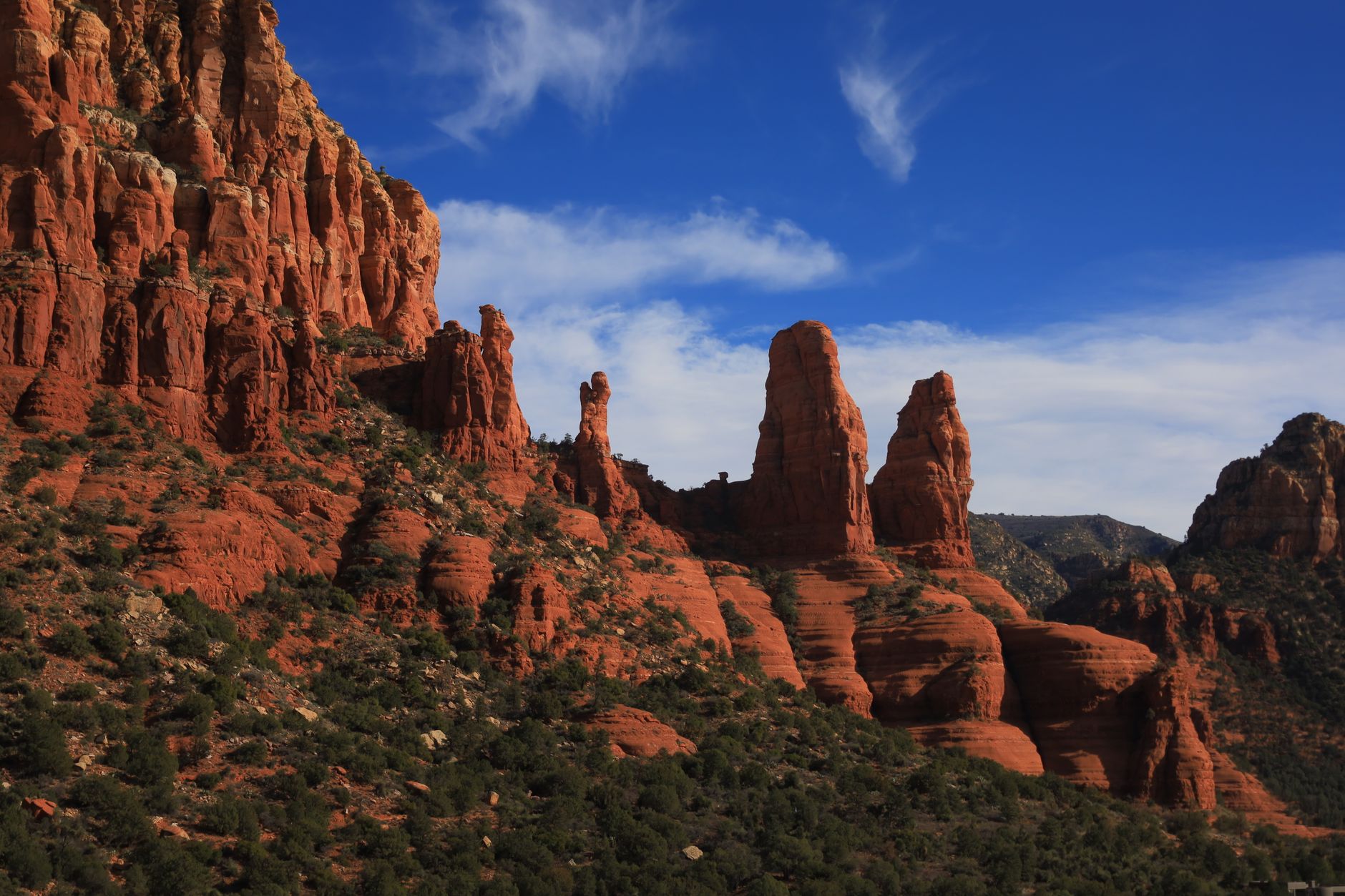
Sedona, Arizona is known for its stunning red rock formations, vibrant arts scene, and spiritual energy, making it a popular destination for nature lovers, artists, and spiritual seekers alike. However, the experience can vary greatly depending on the time of year. Understanding when to visit not only helps you avoid the crowds but also ensures that you enjoy ideal weather conditions and seasonal activities.
To help you plan your trip effectively, this guide explores the best times to visit Sedona, along with what to expect in each season, activities to pursue, and practical travel tips.
When Is The Best Time To Visit Sedona Arizona?
The best time to visit Sedona is during the spring and fall seasons, specifically from March to May and September to November. During these months, visitors can experience mild temperatures, stunning scenery, and captivating colors without the intense heat of summer or the chill of winter.
Each season offers unique advantages, so let’s break down what you can expect throughout the year to help you decide when to plan your trip.
Spring in Sedona: March to May
Spring is one of the most favorable times to visit Sedona. As the weather starts to warm up, flowers bloom, and the landscape comes alive with rich colors. Daytime temperatures typically range from the mid-60s to high-70s Fahrenheit, making it comfortable for outdoor activities.
- Hiking: Trails like the Cathedral Rock Trail and Bell Rock are less crowded at this time, offering stunning views and ideal hiking temperatures.
- Outdoor Festivals: Many local festivals begin in March, adding to the vibrant atmosphere in town. You may find art fairs, music festivals, and even food events happening during this season.
- Wildflower Blooms: Wildflowers begin to bloom in late March, providing beautiful backdrops for photography and leisurely nature walks.
Spring is also an excellent time for sightseeing and photography, as the skies are often clear and the landscapes are particularly scenic. Just be prepared for the occasional rain shower, especially in late April and early May.
Summer in Sedona: June to August
Summer brings warmer temperatures, with daytime highs often climbing into the 90s Fahrenheit. While summer is a popular time to visit due to school vacations, it can also lead to larger crowds and more limited availability in accommodations.
- Water Activities: If you enjoy water sports, nearby Oak Creek along with Slide Rock State Park is a refreshing escape from the heat. Swimming, tubing, and splashing are perfect ways to cool off.
- Outdoor Adventures: Summer is great for evening activities like stargazing, as Sedona’s dark skies offer breathtaking views of the cosmos.
- Sunrise and Sunset: The longer days allow for extended hikes and opportunities to enjoy the magical sunrises and sunsets over the red rocks.
However, summer also brings the monsoon season in July and August. This means thunderstorms and heavy rainfall can occur, so be mindful and check the forecast when planning outdoor activities.
Fall in Sedona: September to November
Fall is another favored time to visit Sedona, as temperatures cool off while still providing pleasant weather with daytime highs in the 70s to 80s. The changing leaves add to the scenic beauty, creating a kaleidoscope of colors in the surrounding landscape.
- Leaf Peeping: As the leaves change from green to vibrant shades of orange and red, hiking trails like Bear Mountain are particularly stunning.
- Festivals: The autumn season hosts numerous events such as the Sedona International Film Festival and the Sedona Arts Festival, showcasing local talent and attracting visitors from all over.
- Ideal Hiking Weather: With cooler temperatures, early fall is perfect for tackling more strenuous trails without the risk of overheating.
The weather remains comfortable into November, making it a good time for outdoor recreation and photography. With families back in school, crowds begin to thin out, allowing for a more peaceful experience.
Winter in Sedona: December to February
Winter in Sedona is relatively mild compared to many parts of the United States. While temperatures may drop to the 30s and 40s Fahrenheit, daytime highs can still reach the 50s and 60s. Winter offers a unique experience for visitors, with the possibility of occasional snowfall on the red rocks adding a beautiful touch to the landscape.
- Holiday Season: The winter months are busy with holiday festivities. Sedona shines with festive lights and decorations, making it a magical experience for families.
- Less Crowded: With fewer tourists compared to other seasons, you can comfortably explore popular attractions like the Chapel of the Holy Cross and Tlaquepaque Arts and Crafts Village.
- Winter Sports: While Sedona itself doesn’t have skiing options, nearby Flagstaff offers skiing and snowboarding opportunities, which can easily be combined with your Sedona trip.
If you visit in December or early January, be mindful of the holidays, as some businesses may operate on limited hours.
Travel Planning Tips
Regardless of the season you choose to visit Sedona, here are some practical planning tips to make your stay enjoyable:
- Book Accommodations Early: If you plan to visit during peak seasons (spring and fall), booking your accommodations well in advance is crucial to securing the best options. Sedona has a range of hotels, resorts, and vacation rentals to suit various budgets.
- Check Peak Events: Research major events or festivals before your trip to either join in on the festivities or to avoid the crowds if you prefer a quieter experience.
- Consider Altitude: Sedona’s elevation is about 4,500 feet above sea level. If you’re arriving from a significantly lower elevation, take time to acclimate to prevent altitude sickness.
- Pack Accordingly: Depending on your season of travel, be sure to pack layers. Summer and fall require lighter clothing, while winter may call for warmer gear, particularly for nighttime activities.
How To Get There and Get Around
Getting to Sedona is straightforward, with the nearest major airport located in Phoenix, approximately 120 miles away. Rental cars are popular, as they afford you the flexibility to explore the breathtaking surroundings at your own pace.
Here are the main options for getting to Sedona:
- By Air: Fly into Phoenix Sky Harbor International Airport, then rent a car and enjoy a scenic drive to Sedona, which should take around two hours.
- By Shuttle: Various shuttle services provide rides from the airport to Sedona and can be a convenient option for travelers without a vehicle.
- By Bus: Public transport options are limited, but Greyhound and other bus services run to nearby towns like Flagstaff, from which you can take a taxi or shuttle to Sedona.
Once in Sedona, local transportation options include renting bikes, using shuttles to major attractions, or simply enjoying the easy-to-navigate layout of the town.
Where To Stay in Sedona
Sedona offers diverse accommodations ranging from luxury resorts to budget motels. Here are some recommended areas based on visitor preferences:
- Uptown Sedona: Ideal for first-time visitors, this area is lively with shops, restaurants, and access to the Scenic Loop. Popular options include boutique hotels and cozy bed-and-breakfasts.
- West Sedona: Close to several hiking trails and quieter than Uptown, West Sedona is excellent for those seeking peace. Look for vacation rentals with kitchen facilities for added convenience.
- Oak Creek Canyon: For a more nature-centric experience, consider staying along Oak Creek, where you can enjoy views and access to water activities. Lodges and cabins are popular in this area.

Budget Considerations
When planning a trip to Sedona, budgeting is essential. Here are key components to keep in mind:
- Accommodation Prices: Rates fluctuate based on the season. Expect to pay more in peak months like April and October. Booking in advance can often yield better prices.
- Dining Costs: Sedona’s culinary scene ranges from casual cafés to upscale dining. Set aside a budget of $10-$20 per meal for casual dining and $30 or more for fine dining.
- Activity Fees: Many outdoor activities are free, but some specific tours or workshops may have fees. Always check to see if permits are needed for certain trails.
Having a flexible budget allows you to enjoy the variety of experiences Sedona has to offer without overspending.
Accessibility and Safety Considerations
As a popular destination, Sedona strives to be accessible for all visitors. Most major attractions and hiking trails have accessible options, but it’s wise to check ahead for specific accessibility needs.
Safety is essential in outdoor recreation. Always carry water, wear appropriate footwear, and inform someone of your hiking plans. If you’re new to hiking or have any uncertainties, consider joining guided tours for a more secure experience.
Suggested Length of Stay
For a fulfilling experience, a stay of about three to five days is ideal. This duration allows time to explore various hiking trails, enjoy local culture, participate in activities, and unwind while soaking in Sedona’s unique atmosphere.
If you’re planning to visit surrounding areas such as Flagstaff or the Grand Canyon, consider extending your trip to maximize the experience.
In summary, the best times to visit Sedona, Arizona are in spring and fall when the weather is mild and the scenery is vibrant. However, depending on your interests— whether they be festive holiday experiences in winter, stunning summer hikes, or relaxing spring retreats— Sedona has something to offer year-round.
With this guide, you can confidently plan your trip to ensure you experience the best Sedona has to offer, regardless of the season.
For further insights, be sure to explore our articles on snow in Sedona and traveling from Flagstaff.