
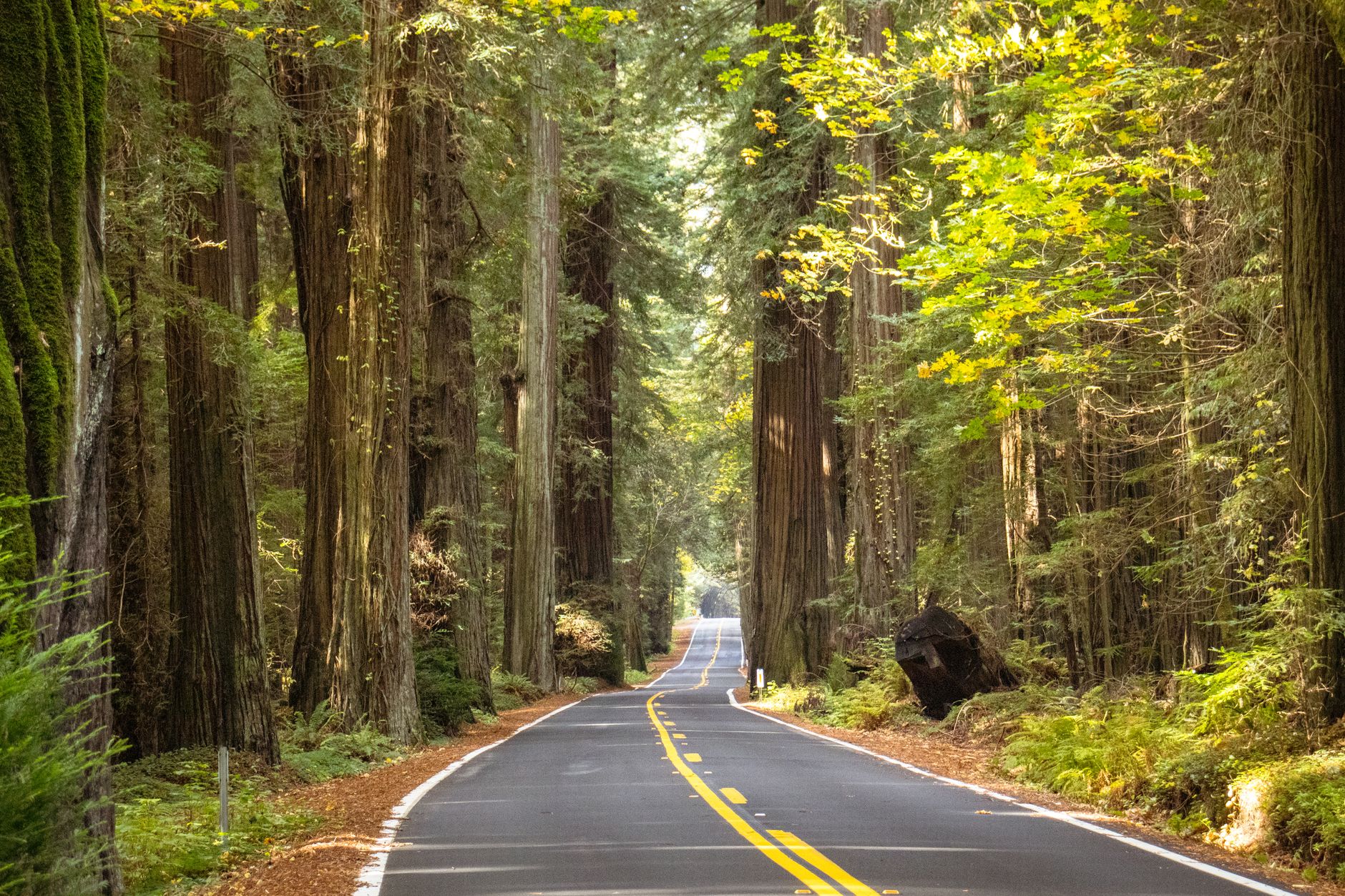
The Redwood Forest is a breathtaking natural wonder known for its towering trees and stunning landscapes. Located in Northern California, this unique destination attracts nature lovers, adventure seekers, and families alike. With its iconic Sequoia trees, lush understory, and vibrant wildlife, a visit to the Redwood Forest is a must for anyone traveling through the area.
This article will guide you through everything you need to know about where to find the Redwood Forest, what to do when you get there, transportation options, accommodations, and practical tips for a memorable visit.
Where Is Redwood Forest?
The Redwood Forest is found primarily within three different national and state parks in Northern California: Redwood National and State Parks, Humboldt Redwoods State Park, and Ahjumawi Lava Springs State Park. Redwood National and State Parks encompass over 138,000 acres and are located off U.S. Highway 101, near Crescent City.
These parks are easily accessible from major cities like San Francisco, Eureka, and Arcata, making them a convenient destination for travelers exploring the northern coast of California. The closest large urban area is Eureka, approximately 50 miles to the south, while Crescent City is just 10 miles away from the main park entrance.
Why Visit Redwood Forest?
The Redwood Forest offers visitors an incredible opportunity to witness some of the tallest trees on Earth, alongside diverse ecosystems that support an array of wildlife. The parks provide ample opportunities for outdoor activities such as hiking, camping, birdwatching, and picnicking. Whether you’re a solo traveler, a family, or a nature enthusiast, the Redwood Forest caters to all.
Another compelling reason to visit is the serenity that these ancient groves provide. Walking among the towering trees evokes a sense of awe and connection to nature that is often hard to find in everyday life.
Best Areas and Attractions in Redwood Forest
The Redwood Forest is sprawling, with several key areas to explore. Here are some of the best attractions within the parks:
Redwood National and State Parks
- Tall Trees Grove: Accessible by a short hike, this area features some of the tallest trees in the world. You can view these magnificent giants, some over 2,000 years old!
- Prairie Creek Redwoods State Park: Known for its lush fern-covered trails, this park provides fantastic hiking options, including the popular Fern Canyon, where you can walk through a canyon lined with ferns.
- Stout Grove: Located within the Jedediah Smith Redwoods State Park, this beautiful grove is easily walkable and provides a stunning setting for photography.
- Lady Bird Johnson Grove: This area offers picturesque trails through the redwoods and educational exhibits about the importance of these trees to the environment.
Humboldt Redwoods State Park
- Avenue of the Giants: This scenic drive runs through Humboldt Redwoods State Park, allowing visitors to experience the grandeur of the redwoods from the comfort of their vehicle.
- Founders Grove: Home to the famous “Giant Tree,” the Founders Grove offers a beautiful trail with interpretive signs detailing the ecology of the redwoods.
Ahjumawi Lava Springs State Park
- Unique Landscape: This lesser-known park features intriguing volcanic formations paired with striking redwood groves. It is better suited for those seeking a more tranquil experience.
Things to Do in Redwood Forest
Redwood Forest is a playground for outdoor adventure. Here are some of the activities you can enjoy during your visit:
Hiking
The park offers an extensive network of trails suitable for all hiking levels, from easy strolls to challenging backcountry adventures. Be sure to check trail conditions and maps at visitor centers or the park’s website before setting out.
Wildlife Viewing
The redwoods are home to diverse wildlife including Roosevelt elk, deer, black bears, and various species of birds. The best times for wildlife viewing are early mornings and late afternoons when animals are most active.
Camping
If you want to immerse yourself in the beauty of the redwoods, consider camping in one of the designated campgrounds. Reservations can help secure your spot during busy seasons.
Photography
With its picturesque vistas and dramatic light filtering through the trees, the Redwood Forest is a photographer’s paradise. Bring your camera to capture the breathtaking scenery.
Transportation Options
Getting to and around the Redwood Forest requires some planning. Here’s what you need to know:
Driving
The most flexible way to explore the Redwood Forest is by car. Major highways leading to the parks include U.S. Highway 101 and California State Route 199. Road conditions can vary, so ensure your vehicle is well-maintained before your trip.
Public Transportation
There are limited public transport options, with the best access coming from local bus services, which may not run frequently. Therefore, renting a car is recommended for the most feasible exploration.
Bicycling
Biking is permitted on designated park roads, making it a wonderful way to experience the landscape at your own pace. Just be cautious of traffic and other park visitors.
Accommodation Guide
When planning your trip, there are various accommodation options ranging from campgrounds to hotels nearby:
In-Park Campgrounds
- Jedediah Smith Campground: A popular choice nestled among towering trees with access to trails.
- Elk Prairie Campground: Known for its proximity to elk herds, this campground provides a more private setting.
Nearby Hotels
- Pacific Inn: Located in Crescent City, offering comfortable accommodations with nearby dining options.
- Best Western Plus Humboldt House Inn: A short drive from the parks, this is a family-friendly hotel with good amenities.
Cabins and Rentals
For those seeking more comfort, consider cabins or vacation rentals located within or near the parks. Various listings are available on rental platforms if you prefer a cozy home-like experience.
When to Visit Redwood Forest
The Redwood Forest can be visited year-round, but your experience may vary depending on the season. Here’s a quick breakdown:
- Spring (March to May): A beautiful time to visit as flowers bloom and crowds are lighter. Conditions can be rainy at times.
- Summer (June to August): The peak tourist season, with warm weather and a plethora of activities. Expect larger crowds but longer daylight hours.
- Fall (September to November): A stunning time to witness fall foliage with typical mild weather. Crowds begin to dwindle post-summer.
- Winter (December to February): The least crowded time, but be prepared for cooler weather and possible rain. Some trails and campgrounds may close due to weather conditions.
Budget Considerations and Practical Planning Tips
Planning a trip to the Redwood Forest can adapt to various budget levels. Here are some tips:
- Entrance Fees: For Redwood National and State Parks, a vehicle pass typically covers entry for up to eight people. Check for current prices as they may vary.
- Camping Costs: Campground fees can range from moderate to cheaper, depending on amenities. Reserve in advance during peak seasons.
- Food and Drink: Pack meals for day hikes to save on dining out. However, nearby towns like Crescent City and Eureka offer a variety of restaurant choices.
Accessibility and Family Considerations
Redwood National and State Parks strive for inclusivity and accessibility:
- Many trailheads have accessible paths, and visitor centers provide information specific to accessibility.
- Family-friendly activities abound, including ranger-led programs specifically tailored to engaging children and teaching them about the forest environment.
- For families, bring along snacks and drinks, as food options in the parks are limited.
Safety Considerations
Safety is paramount when exploring the Redwood Forest. Here are some essential precautions:
- Stay alert for wildlife, especially while driving. Elk can often be seen along park roads.
- Prepare for changing weather conditions, especially fog and rain, by checking forecasts ahead of time and dressing in layers.
- Always inform someone of your hiking plans, especially if venturing into backcountry areas.
With its awe-inspiring trees and diverse geography, the Redwood Forest calls out to be explored, admired, and protected. By carefully planning your visit, you can fully enjoy all it has to offer.
Consider spending three to five days to fully experience the parks and surrounding areas, allowing time for both major attractions and to unwind in nature.