
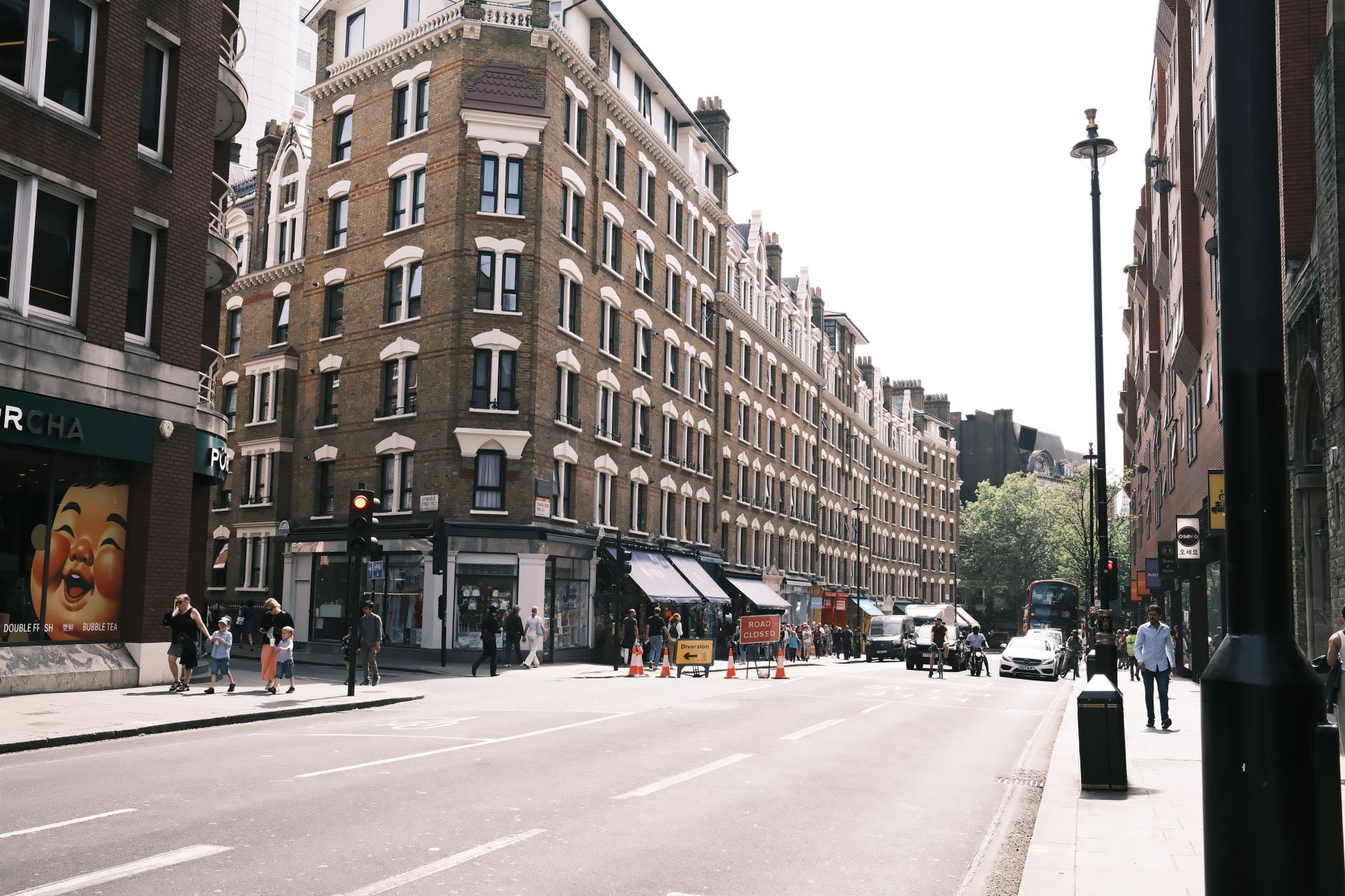
When you find yourself navigating the bustling streets of Manhattan, you might come across an unexpected sight: closed streets. These closures can arise from various events, emergencies, or maintenance activities. Understanding the reasons behind these closures can help plan your visit and ensure a smooth experience while exploring this iconic New York City destination.
Whether you’re a tourist gearing up for a weekend adventure or a local trying to go about your day, knowing why certain streets are closed in Manhattan today is crucial. This article will delve into the various reasons for street closures, tips on how to navigate around them, and what to do when you encounter unexpected detours in this vibrant urban landscape.
Why Are Streets Closed In Manhattan Today?
Streets in Manhattan may be closed for several reasons, including parades, construction work, special events, and public safety measures. Each reason operates under specific regulations and schedules, affecting traffic patterns and transit in the city.
Common Reasons for Street Closures
There are a variety of situations that can lead to street closures in Manhattan. Here are some of the most common:
1. Special Events and Festivals
Many events throughout the year lead to street closures, particularly in Manhattan where large crowds gather. These may include:
- Parades (e.g., New Year’s Day, Puerto Rican Day Parade, St. Patrick’s Day Parade)
- Cultural festivals (e.g., the West Indian American Day Carnival)
- Concerts and outdoor performances
These events often require extensive planning and can result in significant portions of streets being closed to ensure safety and accommodate large crowds.
2. Construction and Road Maintenance
New York City is continuously evolving, resulting in frequent construction and road maintenance activities. Roads may be closed for:
- Repaving and resurfacing
- Utility work (water, electricity, and telecommunications)
- Building renovations or developments
These projects are necessary for maintaining infrastructure, but they can disrupt regular traffic and lead to street closures.
3. Emergency Response
In the event of emergencies, such as fires, accidents, or severe weather, streets may be closed for public safety. Emergency crews require access to affected areas, leading to temporary closures that sometimes last longer than anticipated.
4. Public Safety and Security Measures
For heightened security, especially during high-profile events, streets may be closed as a precaution. This includes presidential visits, large-scale public gatherings, and major sporting events where crowd control is vital. Barriers and police presence are typically noticeable in these situations.
5. Film and Television Production
Manhattan is a popular filming location for various movies and TV shows. When productions are scheduled, they often arrange for street closures to facilitate capturing scenes. Depending on the production scale, this can affect multiple blocks.
How to Find Out About Street Closures
Understanding current street closures can be a pivotal part of planning your day in Manhattan. Here are some resources and tips for staying informed:
1. NYC Department of Transportation Website
The NYC Department of Transportation (DOT) offers an updated list of street closures, roadwork, and events that may affect traffic. This resource is invaluable for assessing detours and planning routes.
2. City Government Announcements
Keep an eye on announcements from the Mayor’s office or local news outlets. Major event closures are often publicized ahead of time and can be found on official city channels and social media.
3. Navigation Apps and GPS Services
Utilizing apps like Google Maps or Waze can provide real-time information about street closures and alternative routes based on current traffic conditions. They will alert you to unexpected closures, allowing you to modify your route accordingly.
4. Local News Outlets
Local television stations and news websites often report on significant events or emergencies that may lead to street closures. Tuning in or checking these platforms can keep you updated.
How to Navigate Around Street Closures
Even when streets are closed, getting around Manhattan can still be convenient if you follow some basic tips:
1. Plan Your Route Early
Before heading out, consider mapping your intended route. Take into account the streets that may be closed and factor in potential detours to avoid frustration.
2. Use Public Transportation
Manhattan’s extensive subway system is often a great alternative to driving or walking when streets are closed. Subways can help bypass congested areas, connecting you to various neighborhoods swiftly.
3. Think Outside the Box
If certain streets are closed, explore alternatives like bike-sharing programs or walking routes. This can even allow you to discover hidden gems in the city while navigating around closures.
4. Follow Directional Signs and Police Officers
When you encounter a street closure, pay attention to posted detour signs and listen to instructions from law enforcement. They can provide guidance on how to navigate safely around closed areas.
Planning Your Visit: What to Know
Knowing that street closures happen frequently in Manhattan, here are key considerations when planning your trip:
1. Timing Your Visit
Think about visiting during off-peak times (midweek or non-holiday seasons) to minimize disruptions due to street closures. Public events often occur on weekends, so if you can, consider planning your visit during these times.
2. Duration of Stay
While Manhattan is packed with attractions, a trip of 3-5 days usually allows enough time to see major attractions while minimizing stress from potential street closures. This schedule also allows flexibility to adapt plans should an event or construction interfere with your itinerary.
3. Accommodation Choices
Where you choose to stay can impact your travel experience significantly. Opting for accommodations near event venues or major attractions can help reduce the need for extensive travel and provide easy access even during street closures. Consider areas like:
- Times Square
- Central Park
- Lower Manhattan
Always check for nearby closures when choosing your hotel to avoid last-minute surprises.
Budget Considerations
While navigating through street closures may not have direct costs, consider related budgeting factors:
1. Transportation Costs
Public transport is generally economical, but if street closures necessitate longer commutes or taxi fares increase due to congestion, factor these into your budget. Research metro card costs if you opt for subways.
2. Event Fees
Some events requiring street closures may have admission fees and require budgeting for entertainment or food when attending. Plan for these additional costs when gauging your overall budget.
Accessibility and Safety Considerations
Accessibility can be an important aspect to remember when navigating closed streets as some events might present challenges for those with disabilities. Here are important tips:
1. Check for Accessibility Options
Before heading to an event, look into whether accessible routes or accommodations are provided. NYC has provisions for accessibility, and event organizers often publicize relevant information.
2. Safety Precautions
Always stay aware of your surroundings, especially in crowded areas. Crowd constraints can make navigating hazardous. Follow police directions and stay in marked pedestrian zones when encountered with closures.
When to Visit Manhattan
The best time to visit Manhattan depends on personal preferences regarding weather and event schedules. Here are some tradeoffs for different seasons:
1. Spring (March to June)
Enjoy mild weather and numerous events but be prepared for street closures due to parades and festivals.
2. Summer (June to September)
Summer offers vibrant activities but significant street closures for events can cause traffic congestion. Tourist hotspots are busy during this time.
3. Fall (September to November)
Fall has ideal temperatures and splendid foliage, but events like the New York City Marathon can lead to road closures. Plan accordingly.
4. Winter (December to February)
Winter provides stunning holiday attractions, but be aware of weather-related disruptions and possible road closures due to snow.
Conclusion
Street closures in Manhattan may seem like an inconvenience, but they play a significant role in the city’s vibrant atmosphere and safety. By staying informed and planning ahead, you can navigate around closures and ensure a memorable experience exploring Manhattan’s iconic streets.
For more travel guidance, consider checking out articles like why is there so much traffic and whether the N train is running to enhance your trip planning.