
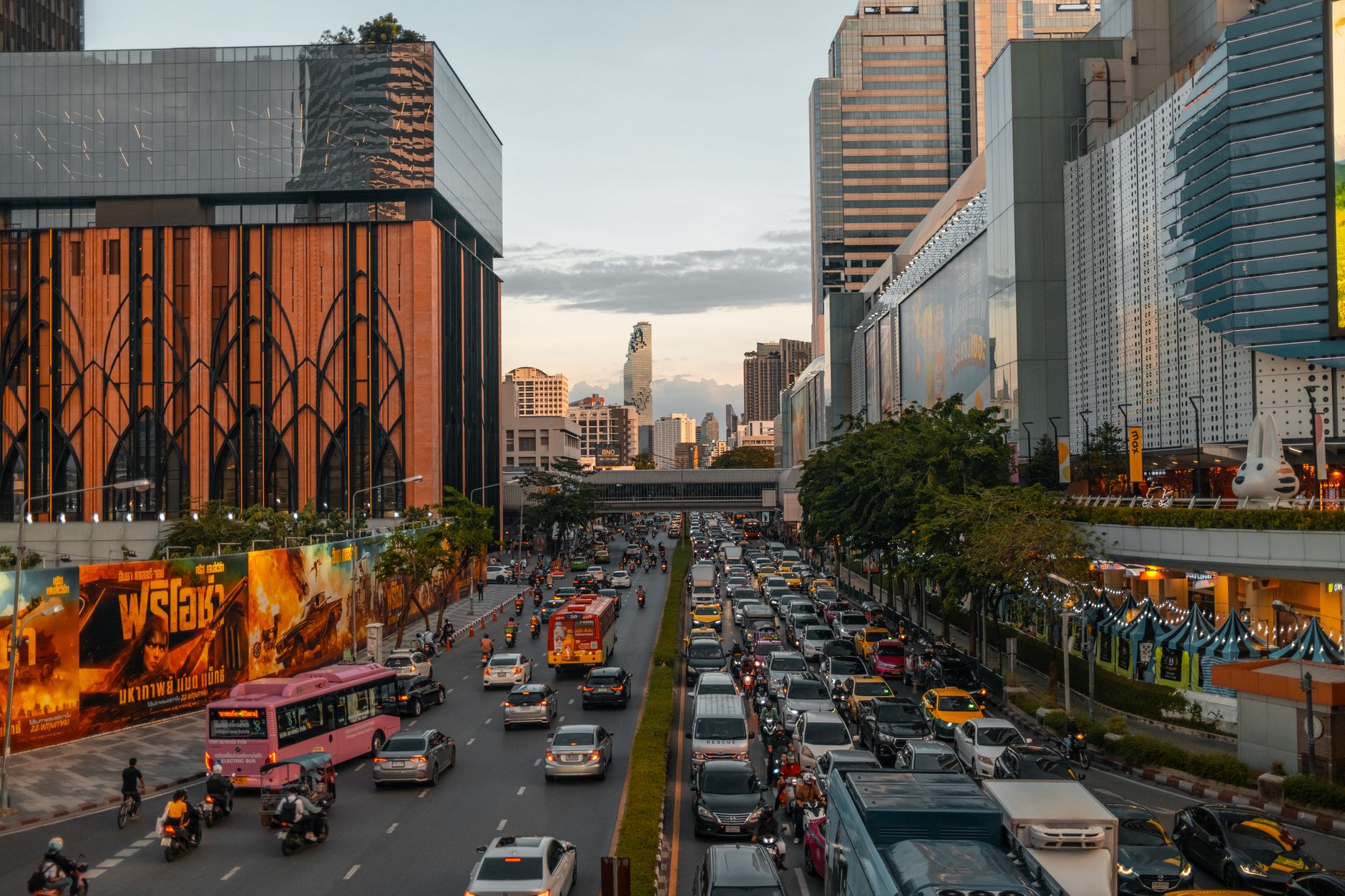
Traffic congestion is an increasingly common issue in cities around the world, and it significantly affects travel experiences. Understanding why traffic occurs can help travelers navigate their journeys more efficiently. From urbanization and population growth to infrastructure and commuter patterns, several factors contribute to the ever-present gridlock.
This article explores the causes of traffic congestion, its implications for travel, and offers tips on how to deal with it. Travelers can benefit from this knowledge, making informed decisions when planning their trips or navigating through busy urban areas.
Why Is There So Much Traffic?
Traffic congestion is caused by a combination of factors, including demand exceeding road capacity, poor infrastructure, and specific commuter behaviors. Understanding these causes helps travelers anticipate and navigate traffic more effectively.
Factors Contributing to Traffic Congestion
Several key factors lead to traffic jams in urban areas. Below are the primary reasons for increased congestion that travelers should be aware of:
1. Population Growth and Urbanization
As more people flock to cities for work and better living standards, urban areas become densely populated. Increased population results in higher vehicle numbers on the roads, leading to congestion during peak hours.
2. Limited Road Capacity
Most urban roads were designed years ago and simply cannot accommodate the current volume of traffic. Limited lanes and poorly designed intersections often lead to bottlenecks, especially in rush hours.
3. Public Infrastructure Issues
Poorly maintained roads, lack of public transport options, and inadequate traffic management systems contribute to traffic congestion. In many cities, the public transport options are insufficient, pushing more people to rely on personal vehicles.
4. Commuter Behavior
The behavior of drivers also has a profound impact on traffic. Sudden stops, lane changes, and speeding can create ripple effects, exacerbating congestion. Additionally, rush hour dynamics lead drivers to favor certain routes, further concentrating traffic.
5. Incidents and Roadworks
Accidents and roadworks can significantly disrupt traffic flow. When incidents occur, nearby routes quickly become congested as drivers divert to avoid delays. Roadworks can be equally disruptive, causing permanent reductions in lane capacity.
6. Weather Conditions
Inclement weather can severely impact traffic flow. Heavy rain or snow leads to slower speeds and increased accidents, causing delays. Travelers should consider weather forecasts when planning trips and avoid peak traffic times on adverse days.
Traffic Patterns in Major Cities
Understanding traffic patterns in specific cities can help travelers plan their itineraries more effectively. Below are insights into congestion in some major urban centers:
1. New York City
New York City suffers from some of the worst traffic congestion in the U.S. The sheer number of vehicles, narrow roads, and a high density of construction contribute to significant delays, especially during weekday rush hours. Travelers should consider public transportation options such as the subway or buses.
2. Los Angeles
Known for its sprawling highways and widespread car culture, Los Angeles experiences severe peak-time traffic jams. The city’s layout encourages driving, making the situation worse. Using navigation apps might help avoid the most congested routes.
3. Chicago
Chicago integrates many major roads that can become overly congested during rush hours. Commuter patterns often create bottlenecks around downtown areas. Utilizing the “L” train can alleviate some travel time and reduce stress when traversing the city.
4. Washington, D.C.
The D.C. metropolitan area is notorious for slow-moving traffic, particularly during peak political events when additional visitors flock to the city. Drivers should note that weekdays tend to have more congestion during morning and evening rush hours, making weekends ideal for exploring the city.
How to Navigate Traffic Effectively
Despite the many causes of traffic congestion, travelers can take steps to minimize delays. Here are some practical tips to navigate busy streets with relative ease:
1. Plan Your Travel Times
Travelers should try to avoid peak hours for their desired routes. Typically, this means steering clear of the morning rush (7 AM – 9 AM) and evening rush (5 PM – 7 PM) during weekdays.
2. Use Navigation Apps
Employing navigation apps like Google Maps, Waze, or Apple Maps can help travelers identify traffic conditions in real-time. These apps provide alternate routes and update the user as conditions change.
3. Opt for Public Transportation
In many cities, using public transportation can significantly reduce travel time and increase comfort. Train, bus, or tram services often bypass road congestion and provide a fixed schedule.
4. Ride-Sharing Services
Consider using ride-sharing services, which can alleviate the hassle of parking and often have designated lanes to bypass traffic. Services such as Uber and Lyft may also provide ride options like pooling for cheaper travel.
5. Utilize Cycling or Walking
If your destination is relatively close, consider cycling or walking. Many urban areas have bike paths and pedestrian-friendly routes that can save time and provide a unique perspective of the city.
6. Stay Up to Date on Road Conditions
Checking traffic reports before heading out can help travelers avoid accidents and construction zones. Websites or local radio stations often provide valuable updates on road conditions throughout the day.
Making the Most of Traffic Congestion
While traffic congestion can be a hassle, it can also serve as an opportunity to explore new facets of a city. Travelers can make the most of their time spent in traffic with a few creative strategies:
1. Discover Local Eateries
Stuck in traffic? Use that time for a virtual search for local eateries. Apps can provide recommendations for the best restaurants nearby, allowing you to plan a meal break when you finally arrive.
2. Listen to Podcasts or Audiobooks
Convert travel time into productive time. Listening to podcasts or audiobooks can make waiting or crawling through traffic more enjoyable. Embrace the culture of the city you are in and try local narratives or themes.
3. Plan for Downtime
If you anticipate heavy traffic, factor in additional downtime for any plans or activities. With a relaxed attitude, it’s easier to manage unexpected delays without feeling rushed or frustrated.
4. Capture the Moment
Traffic can occasionally provide stunning views, especially in scenic urban areas. Take advantage of downtime to snap photos, capture interesting moments, or document the journey. Just be sure to do this safely!
Conclusion
Traffic congestion is a complex issue driven by numerous factors including urbanization, commuter habits, and infrastructure limitations. However, with the right mindset, travelers can navigate urban areas efficiently by planning their journeys strategically. By understanding the particular traffic patterns of major cities and utilizing modern technology, you can mitigate the frustrations that come with heavy traffic.
Organizing your travel around peak times, embracing public transportation, and even turning downtime into productive or enjoyable moments will enhance your overall experience. To delve deeper into various travel-related topics, explore our guides on the best restaurants in downtown Seattle and Washington, D.C.