
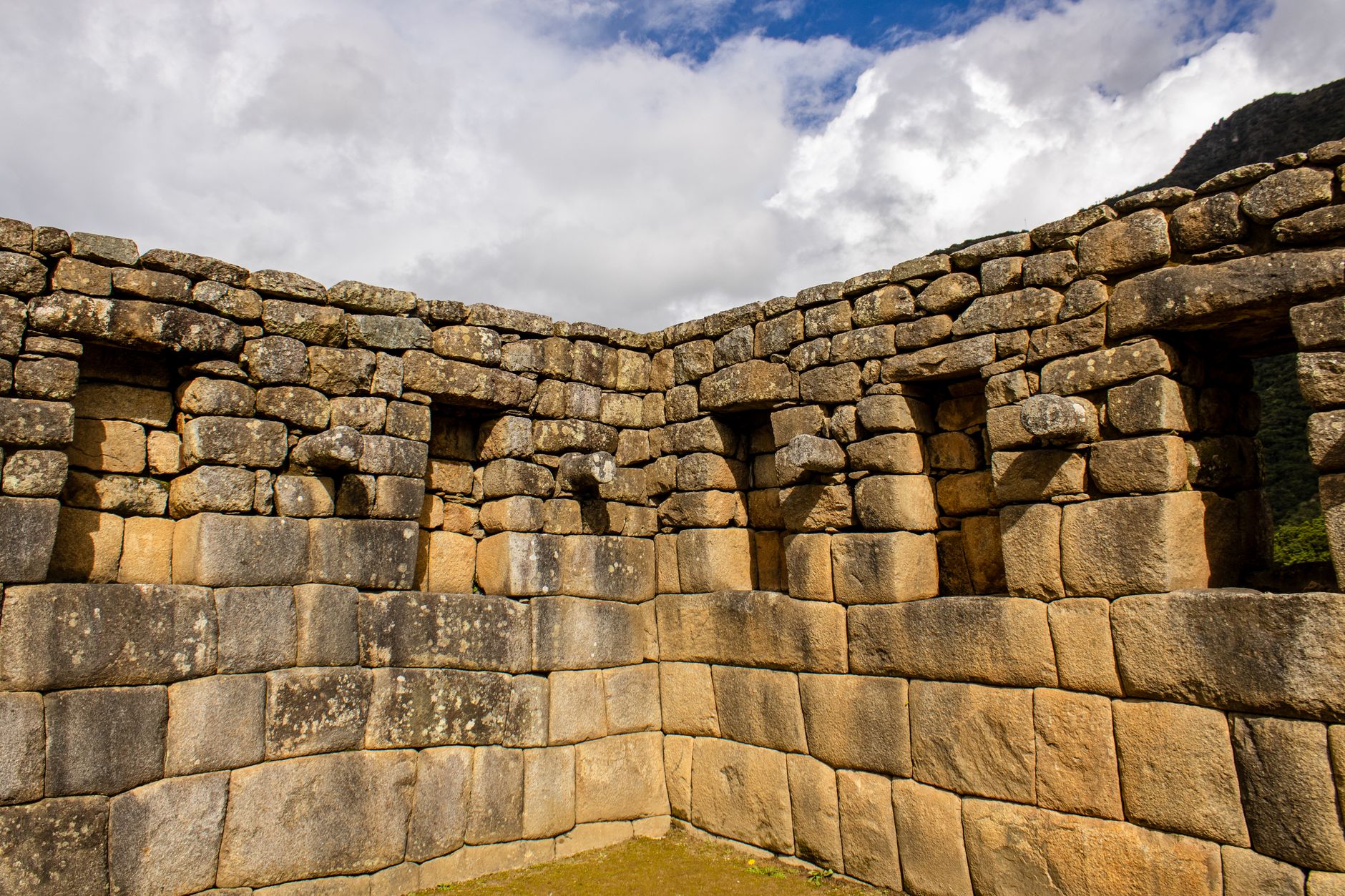
Machu Picchu, the iconic Incan citadel nestled in the Andes mountains of Peru, has long intrigued historians, archaeologists, and travelers alike. Although it’s now a popular destination for those seeking to experience its breathtaking ruins and rich history, many visitors are left wondering why this marvel was abandoned centuries ago. Understanding the factors that led to its desertion offers both context and depth to your visit.
This article delves into the reasons behind the abandonment of Machu Picchu, exploring historical, environmental, and cultural elements contributing to its decline. Additionally, we’ll provide practical advice for planning a visit to this enigmatic site, ensuring travelers leave with a well-rounded understanding of its fascinating history.
Why Was Machu Picchu Abandoned?
Machu Picchu was abandoned likely due to a combination of factors, including the Spanish conquest, environmental changes, and shifts in societal structures. It remains unclear whether all inhabitants left at once or if the site was gradually evacuated over time.
Historical Context of Machu Picchu
To fully grasp why Machu Picchu was abandoned, it’s essential to understand its historical background. Built in the 15th century during the height of the Inca Empire, Machu Picchu served multiple purposes. This extraordinary site is believed to have functioned as a royal estate, a religious sanctuary, and a strategic military outpost.
The Inca Empire thrived on advanced agricultural techniques, sophisticated architecture, and a vast network of roads connecting various regions. Machu Picchu exemplified these achievements, featuring terraces for farming, a finely tuned drainage system, and impressive stonework. However, by the late 16th century, the arrival of Spanish conquistadors started to unravel the Inca civilization.
The Spanish Conquest
The Spanish conquest of the Inca Empire began in the early 1530s and resulted in significant upheaval. As Spanish forces advanced into the region, they sought to eliminate Inca resistance and convert the indigenous population to Christianity. This conflict led to a decline in the population of Indigenous people, including those living in and around Machu Picchu.
The Spanish placed a heavy emphasis on creating settlements in coastal areas, overlooking the mountainous region where Machu Picchu resided. This shift likely contributed to the eventual abandonment of the site, as resources became scarce and the remaining Inca could no longer sustain a viable community there.
Environmental Changes
Machu Picchu’s remote location in the Andes makes it susceptible to environmental changes. Scholars believe that climate fluctuations may have played a role in the site’s abandonment. During the Inca Empire’s peak, a combination of favorable weather conditions and effective agricultural practices allowed for sustainable living. However, as climate patterns changed, with drier seasons and unpredictable weather occurring, the agricultural productivity could have diminished.
Additionally, extensive deforestation contributed to soil erosion and further limited agricultural potential. To support their growing population, the Incas may have over-farmed or over-harvested resources in the area. Ultimately, shifting environmental conditions likely forced the inhabitants of Machu Picchu to relocate in search of more sustainable living conditions.
Cultural Shifts
As the dynamics of the Inca Empire evolved, so too did the social structure and cultural practices of its people. After the Spanish conquest, the new order imposed by colonizers transformed Incan society. Many Indigenous people were conscripted for labor in Spanish mines and plantations, drawing their focus away from sustaining life at Machu Picchu.
Religious changes also contributed to societal shifts. The arrival of Christianity diminished the authority of traditional Incan beliefs and practices, making the once-sacred site less significant to its inhabitants. Various cultural transitions could have ultimately prompted the eventual migration away from Machu Picchu.
Practical Information for Visiting Machu Picchu
Understanding the reasons for Machu Picchu’s abandonment enriches your visit to this breathtaking site, providing deeper context to its enduring majesty. Here’s how to plan a practical trip to Machu Picchu, including transportation options, accommodations, and the best time to visit.
Getting There
Machu Picchu is accessible through a few routes, depending on your travel preferences. The most popular starting point is the city of Cusco, where travelers can take a train or trek through the scenic Inca Trail.
- Train: The train journey from Cusco to Aguas Calientes (the nearest town to Machu Picchu) takes around 3.5 hours. Two main services operate: PeruRail and Inca Rail. Both offer varying levels of comfort and pricing; reservations are recommended.
- Trekking: For the adventurous, the Inca Trail is a well-known trek that offers breathtaking views and a chance to experience the ancient paths traveled by the Incas. This route can take 4 days and requires permits, which should be booked in advance.
Ways to Get Around
Once you reach Aguas Calientes, getting to Machu Picchu is fairly straightforward. Travelers can opt for the following:
- Buses: Frequent bus services operate from Aguas Calientes to the entrance of Machu Picchu. The journey takes about 30 minutes and is typically recommended for those with limited mobility.
- Walking: For those looking for a more strenuous option, a scenic hike up the trail from Aguas Calientes to the site is possible. This trek can take around 1.5 to 2 hours, offering stunning views along the way.
Where to Stay
Accommodation options cater to various traveler preferences in Aguas Calientes. Consider the following types:
- Luxury Hotels: Options like Inkaterra Machu Picchu Pueblo Hotel offer upscale amenities and enhance your overall experience.
- Mid-range Hotels: For travelers on a budget but seeking comfort, hotels such as Tierra Viva Machu Picchu provide great value.
- Hostels: For budget-conscious travelers, hostels offer affordable shared and private accommodations while fostering an opportunity to meet fellow travelers.
Best Time to Visit
Machu Picchu can be visited year-round, but selecting the ideal time depends on what you hope to experience. Here are key periods to consider:
- Dry Season (May to September): This period tends to attract the most visitors, with clear skies and pleasant weather. However, expect larger crowds.
- Wet Season (October to April): While rain is more frequent, visiting during this time can mean fewer tourists and lush landscape views. Just be prepared for slippery trails.
Length of Stay
A typical visit to Machu Picchu involves a day tour, which allows ample time to explore the site. However, many travelers find it rewarding to spend an additional day in Aguas Calientes or even embark on side hikes and visits to nearby attractions like the hot springs or the Inca Bridge. Plan for a minimum of two days, especially if considering additional treks.
Budget Considerations
Traveling to Machu Picchu involves various costs, including transportation, entry fees, and accommodations. Here’s a breakdown to help you budget:
- Train fare: Prices vary significantly based on your chosen class and service, with one-way fares commonly ranging from $50 to $400.
- Machu Picchu Entry Fees: Entrance fees for adults start around $70, with variations for students and children.
- Accommodation: Expect to pay between $10 for hostels and $400 for luxury hotels per night.
- Meal Costs: Meals in Aguas Calientes can range from $5 to $30 per person.
Health and Safety Considerations
When visiting Machu Picchu, keep health and safety considerations in mind. It’s crucial to prepare for altitude sickness, especially when traveling from lower altitudes in Cusco. Ensure you stay hydrated, ascend gradually, and consider consulting a doctor before your journey.
Accessibility
Machu Picchu’s terrain can be rugged, so ensuring accessibility is essential for visitors with mobility challenges. While buses are available for easier access near the entrance, pathways within the site can be steep and uneven. It’s advisable to inquire about accessibility options at the time of planning.
Family Travel
Machu Picchu can be an adventurous trip for families, but parents should keep in mind that children may tire given the site’s elevation and extensive walking. Engaging kids in discussions about the history of the site can enhance their enjoyment. Also, make sure to have snacks and plenty of water on hand for energy during your explorations.
Final Thoughts
Understanding why Machu Picchu was abandoned provides a meaningful layer of appreciation for this remarkable site. Recognizing the historical, environmental, and cultural contexts helps to create a deeper connection during your visit. Planning your trip thoughtfully ensures a memorable experience while exploring the ruins of a once-thriving Inca civilization.
For more insights on travel planning, check out our related destination guides and travel-planning articles for more great advice. Don’t miss our guides on Belize accommodations and other travel resources to enhance your adventures.