
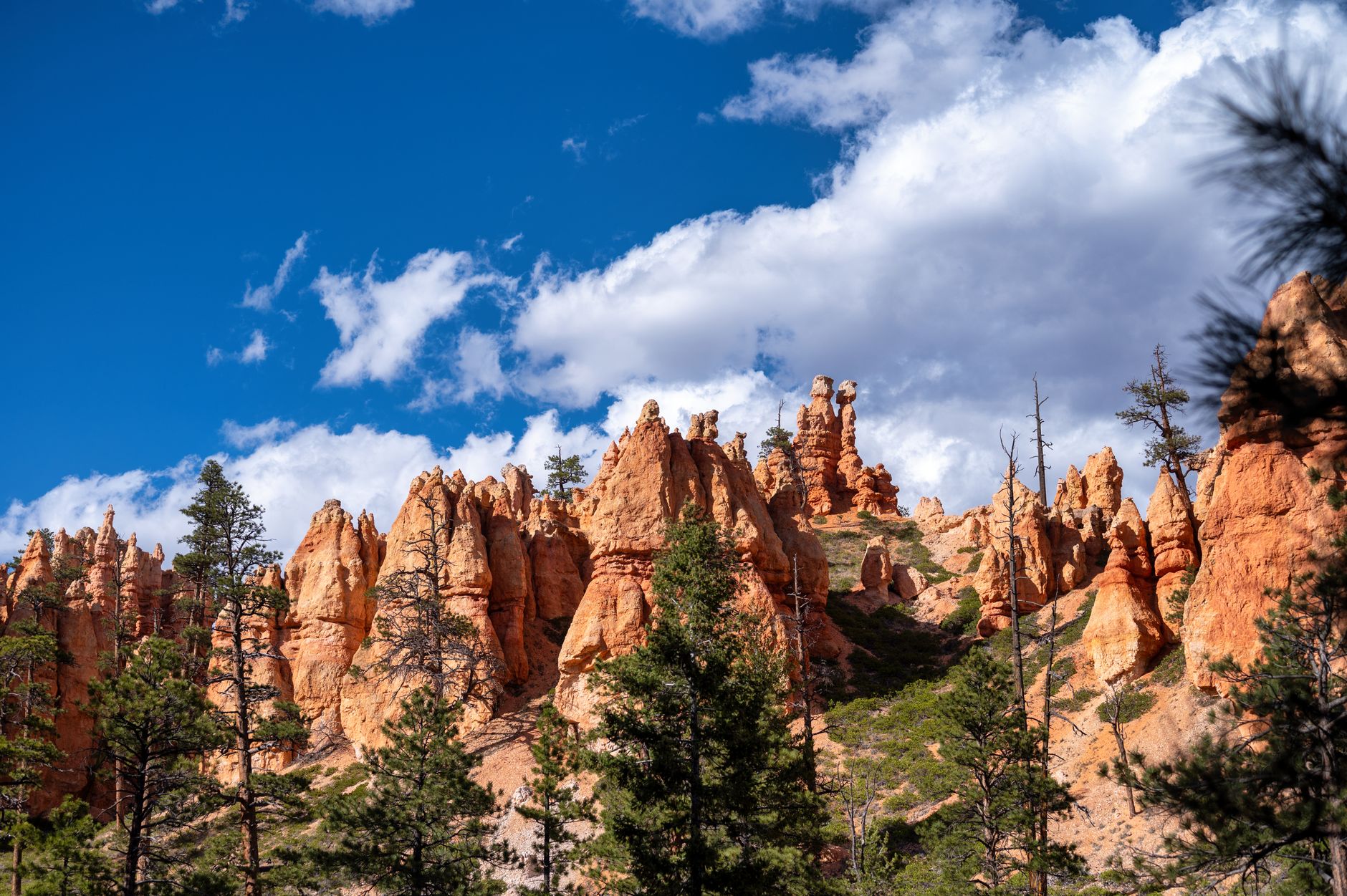
Utah is renowned for its stunning landscapes, diverse geology, and outdoor activities, making it a cherished destination for nature lovers. A focal point of this natural beauty lies in its national parks, which offer awe-inspiring vistas and unique geological formations. With five national parks, often referred to as the “Mighty 5,” Utah invites travelers to explore its magnificent wilderness.
Each park showcases distinct landscapes, from the towering rock formations of Arches National Park to the serene canyons of Zion National Park. These parks provide an array of activities tailored for adventurers, families, and casual visitors alike. Below, we delve into everything you need to know about these national parks, including what makes each one special, tips on visiting, and how to make the most of your trip.
How Many National Parks Are There in Utah?
Utah is home to five national parks: Arches, Bryce Canyon, Canyonlands, Capitol Reef, and Zion. These parks present a wealth of opportunities for hiking, photography, and exploration, each unique in its geological features and outdoor experiences. Visitors can enjoy vast canyons, peculiar rock formations, stunning vistas, and a chance to immerse themselves in nature.
The Mighty 5 National Parks
Let’s explore each of these national parks in detail to highlight what makes them exceptional and the experiences they offer.
Arches National Park
Located just outside Moab, Arches National Park is famous for its more than 2,000 natural stone arches, with Delicate Arch being the most iconic. The park features dramatic rock formations, stunning vistas, and diverse ecosystems.
- Best Activities: Hiking the Delicate Arch trail, photographing Landscape Arch, and exploring the Windows Section.
- Visitor Tips: Visit early in the morning or late afternoon to avoid crowds and capture the best light for photography.
- Park Access: The park is open year-round and offers ranger-led programs in summer.
Bryce Canyon National Park
Bryce Canyon is renowned for its unique hoodoos—tall, thin spires of rock formed by frost-wedging and erosion. It offers stunning viewpoints that stretch as far as the eye can see.
- Best Activities: Hiking the Queen’s Garden and Peek-a-boo Loop trails, stargazing at night, and taking in the views from Sunrise and Sunset Points.
- Visitor Tips: Check sunrise and sunset times for breathtaking views and experience the park during the off-season for fewer visitors.
- Park Access: The park is open year-round, but some roads may close in winter due to snow.
Canyonlands National Park
Canyonlands, with its vast canyons carved by the Colorado River, offers breathtaking views and countless trails amidst its rugged terrain. The park is divided into four distinct districts: Island in the Sky, The Needles, The Maze, and the rivers.
- Best Activities: Visiting the Island in the Sky for panoramic views, hiking in The Needles, and river rafting on the Colorado.
- Visitor Tips: Each district has its own character; plan your visit based on your interests, whether they’re hiking, photography, or stargazing.
- Park Access: Canyonlands is accessible year-round, but access to The Maze typically requires four-wheel-drive vehicles.
Capitol Reef National Park
Capitol Reef is known for its unique Waterpocket Fold, a nearly 100-mile long warp in the Earth’s crust, along with colorful cliffs and historic orchards. This lesser-known gem is a favorite among those seeking solitude and beauty.
- Best Activities: Exploring the Fruita Historic District, hiking the Hickman Bridge trail, and enjoying fruit picking in the orchards during the harvest season.
- Visitor Tips: Bring provisions, as services are limited. The park’s quiet beauty can be best appreciated on weekdays or in the early morning.
- Park Access: Capitol Reef is open year-round, with ranger-led programs and learning opportunities.
Zion National Park
Zion, known for its steep red cliffs, slot canyons, and diverse wildlife, is the most popular national park in Utah. The Virgin River runs through the park, making it a popular spot for hikers and avid outdoors enthusiasts.
- Best Activities: Walking the Riverside Walk, challenging yourself on the Angels Landing hike, and exploring the Narrows.
- Visitor Tips: During peak season, use the shuttle service to navigate the park efficiently. Be prepared for crowds, especially at popular trailheads.
- Park Access: Open year-round, Zion offers extensive services, including visitor centers and guided tours.
Planning Your Visit to Utah’s National Parks
With so much to see and do, effective planning is crucial to make the most of your trip. Here are practical tips to consider for your visit to the Mighty 5.
When to Visit
Timing plays a significant role in your Utah national parks experience.
- Spring (March to May): Ideal for mild temperatures and blooming wildflowers. It’s an excellent time for hiking.
- Summer (June to August): Crowded but vibrant. Pack water and sun protection when hiking, as temperatures can soar.
- Fall (September to November): Cooler temperatures and beautiful fall foliage make this a beautiful time to visit.
- Winter (December to February): While some parks may be less accessible due to snow, winter offers solitude and a different perspective on the landscape.
How Long to Stay
A well-rounded visit may require at least a week to explore Utah’s national parks at leisure. Consider the following itinerary for an ideal experience:
- Day 1: Arrival in Salt Lake City and drive to Moab.
- Day 2: Explore Arches National Park.
- Day 3: Visit Canyonlands National Park.
- Day 4: Travel to Capitol Reef National Park.
- Day 5: Discover Bryce Canyon National Park.
- Day 6 & 7: Make your way to Zion National Park and spend ample time hiking.
Getting There and Getting Around
Utah is accessible by major highways and is serviced by several airports, including Salt Lake City International Airport.
- Best Transportation Options: Renting a car is the most convenient way to explore the parks, as public transportation is limited.
- Road Conditions: Always check road conditions, especially in winter months, as some areas may be prone to closures.
Where to Stay
Accommodations vary widely in and around Utah’s national parks, offering options to suit different budgets and preferences.
- Campgrounds: Each park has campgrounds that fill up quickly during peak seasons. Plan ahead and make reservations when possible.
- Hotels and Lodges: Look for lodging options near park entrances—Moab offers a range of hotels for Arches and Canyonlands, while Springdale caters to guests heading to Zion.
- Glamping and Cabins: Consider unique stays to enhance your desert experience, including yurts or cabins.
Tips for Exploring Utah’s National Parks
To ensure a smooth experience while visiting the Mighty 5, keep these tips in mind:
- Pack Accordingly: Bring necessary gear based on your outdoor plans, including sturdy footwear, hydration systems, and sun protection.
- Leave No Trace: Follow the principles of Leave No Trace to preserve the parks’ natural beauty. Stay on designated trails and pack out all trash.
- Check Conditions: Weather can change rapidly; check forecasts and park alerts to stay informed about trail and road conditions.
- Hydrate and Fuel Up: Carry sufficient water and snacks on all hikes, as amenities in remote areas are limited.
What to Expect in Each Park
Expect diverse ecosystems, stunning landscapes, and a chance to connect with nature. Remember, each park has its unique charm and offerings.
- Wildlife: Look for wildlife such as deer, bighorn sheep, and various bird species in all parks. Early morning and late evening are the best times for wildlife sightings.
- Scenic Drives: Many parks have scenic drives that showcase incredible viewpoints for those who may not want to hike extensively.
- Cultural Significance: Each park holds cultural heritage, with ancient rock art and ruins that highlight the history of Native Americans in the region.
Safety Considerations
Your safety is paramount while exploring the national parks. Here are some important considerations:
- Stay On Trails: To minimize risk and protect delicate habitats, always stay on marked trails.
- Wildlife Encounters: Keep a safe distance from all wildlife and never feed them.
- Altitude Awareness: Be mindful of altitude sickness, particularly in parks like Bryce Canyon and Zion; acclimatize if necessary.
- Emergency Preparedness: Always carry a first-aid kit and know how to navigate your route, particularly in remote areas.
Conclusion
Utah’s national parks—Arches, Bryce Canyon, Canyonlands, Capitol Reef, and Zion—offer remarkable landscapes and unforgettable experiences for all types of travelers. With proper planning, you can explore these stunning destinations and appreciate their natural beauty. Start your adventure today by making travel arrangements to visit the Mighty 5!
For more travel planning tips, check out our guide on the Mighty 5 national parks for insights into maximizing your trip to Utah’s incredible parks.